Science Advisory Committee
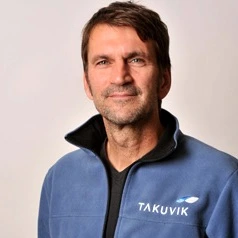
Marcel BABIN
University of Laval - Canada
Marcel Babin is an internationally recognized expert in marine optics and remote sensing and a professor at Université Laval, where he leads research on Canada’s Arctic. His work focuses on how light-driven processes influence marine ecosystems, particularly phytoplankton and ocean color. He has led major international research initiatives, including Arctic expeditions, and his contributions have significantly advanced the understanding of coastal and polar ocean systems.
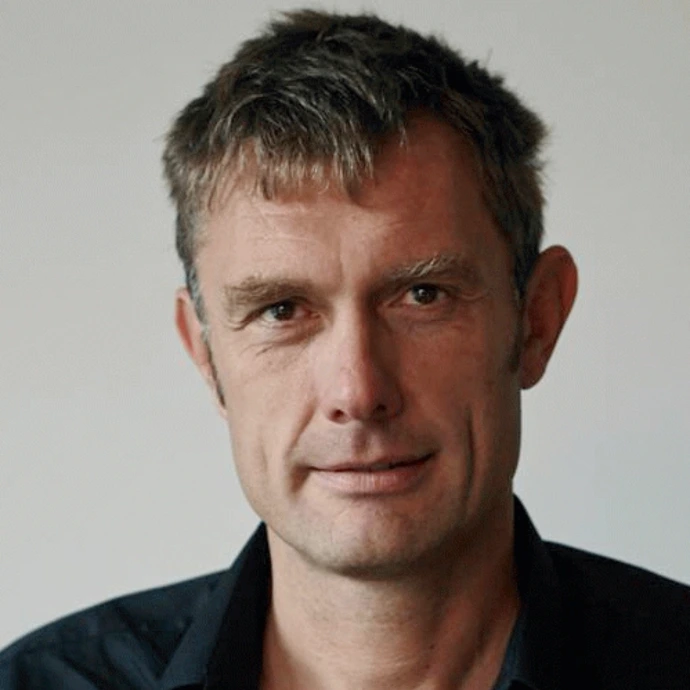
Tom BATTIN
Ecole Polytechnique Fédérale de Lausanne (EPFL) - Switzerland
Tom Battin is a leading aquatic scientist and professor at EPFL whose research integrates microbiology, biogeochemistry, and climate science. He studies how microbial communities in rivers and glacier-fed systems influence carbon cycling and ecosystem stability. He is known for his interdisciplinary approach and was awarded the Vernadsky Medal by the European Geosciences Union.

Harry ZELLOKARI
Université libre de Bruxelles (ULB) – Belgium
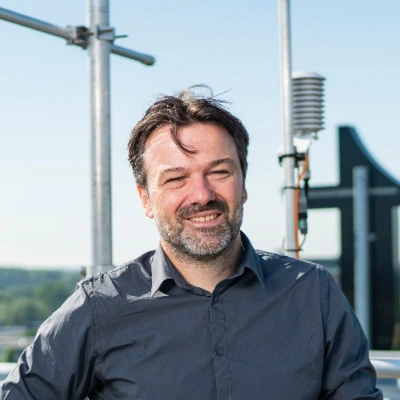
Michiel van den BROEKE
Utrecht University - Netherlands
Michiel Van den Broeke is Professor of Polar Meteorology at the Faculty of Science of Utrecht University and affiliated with the Institute for Marine and Atmospheric Research Utrecht (IMAU). In 2015, he was elected as a member of the Royal Netherlands Academy of Sciences ( KNAW ).
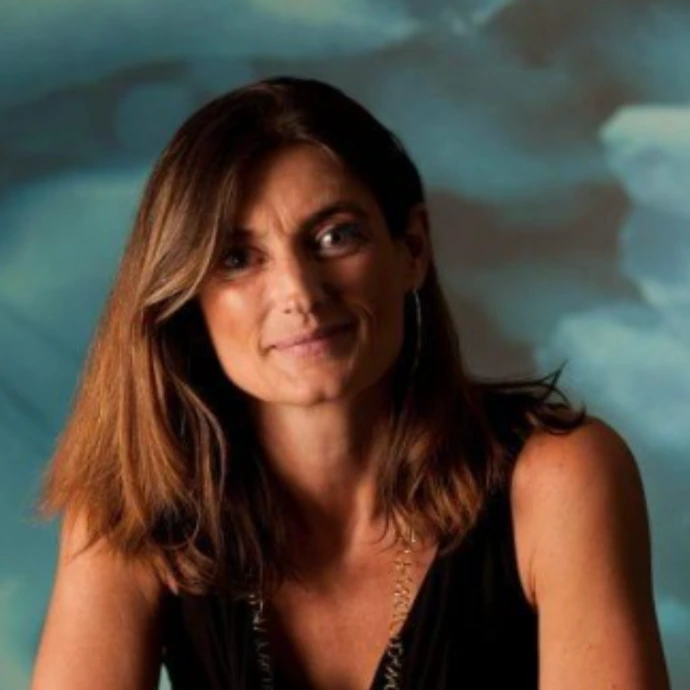
Isabella VELICOGNA
University of California, Irvine - USA
Isabella Velicogna is a Professor of Earth System Sciences at the University of California, Irvine, and a part-time faculty member at NASA/Caltech’s Jet Propulsion Laboratory. Her research uses satellite remote sensing and geophysical methods to study ice sheet mass balance and the hydrologic cycle in high-latitude regions, with a focus on data from GRACE and related missions.
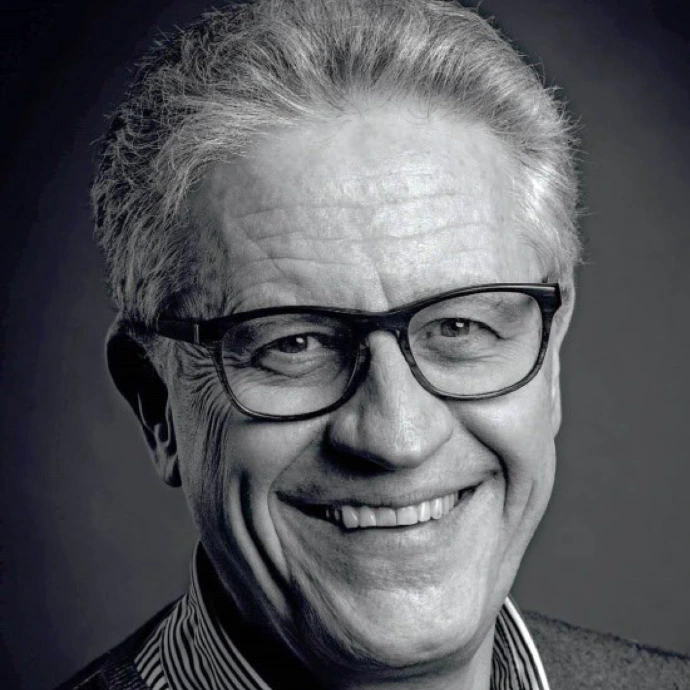
Thomas STOCKER
University of Bern - Switzerland
Thomas Stocker was born in Zürich and obtained a PhD in Natural Sciences of ETH Zürich in 1987. He held research positions at University College London, McGill University (Montreal), Columbia University (New York) and University of Hawai'i (Honolulu). From 1993 to 2024 he was Professor of Climate and Environmental Physics at the University of Bern. Thomas Stocker has authored or co-authored more than 280 peer-reviewed papers in the area of climate dynamics and paleoclimate modeling and reconstruction.
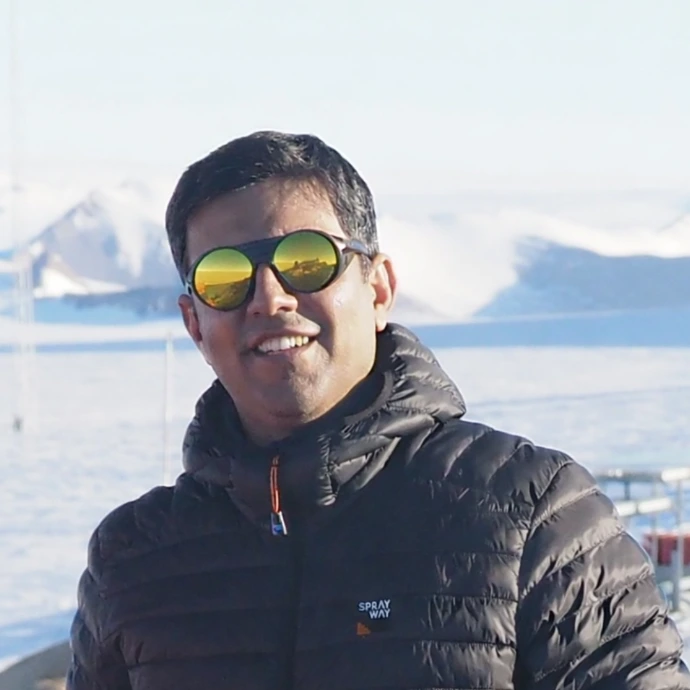
Sajad TABIBI
University of Luxembourg - Luxembourg
Sajad Tabibi is a space geodesist and research scientist at the University of Luxembourg’s Luxembourg Centre for Socio-Environmental Systems (LCSES), where he leads research on water availability, variability, and scarcity. Since 2016, he has advanced GNSS-R activities at the University of Luxembourg, linking signal-processing innovation with hydrologic and environmental applications. His work lies at the interface of satellite geodesy, remote sensing, and hydroclimate science.
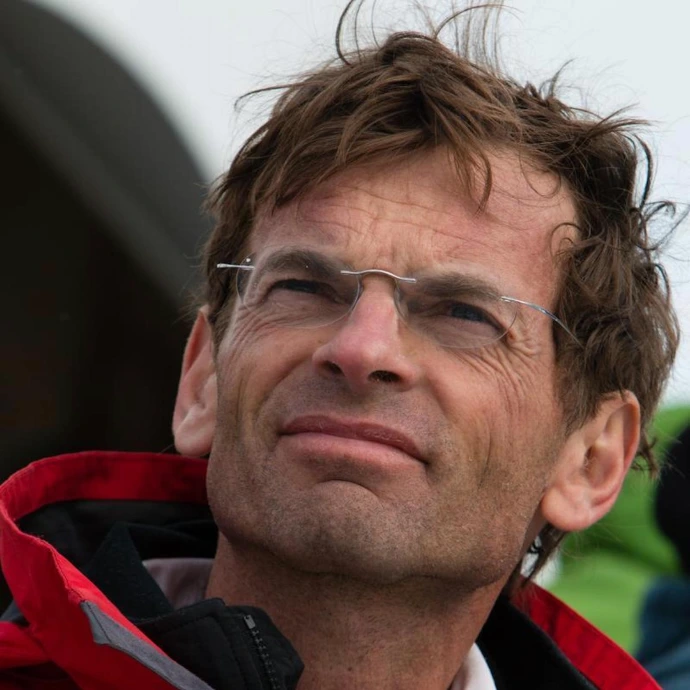
Eric RIGNOT
University of California, Irvine - USA
Eric Rignot is a Distinguished Professor of Earth System Science at the University of California, Irvine, a Senior Research Scientist at NASA’s Jet Propulsion Laboratory, and a Member of the United States National Academy of Sciences and National Academy of Engineering. He received an Engineering degree from Ecole Centrale Arts et Manufactures Paris, M. Sc. in Astronomy and Astrophysics from University Paris VI, in Aerospace Engineering and Electrical Engineering from the University of Southern California (USC), and a Ph.D. in Electrical Engineering from USC.
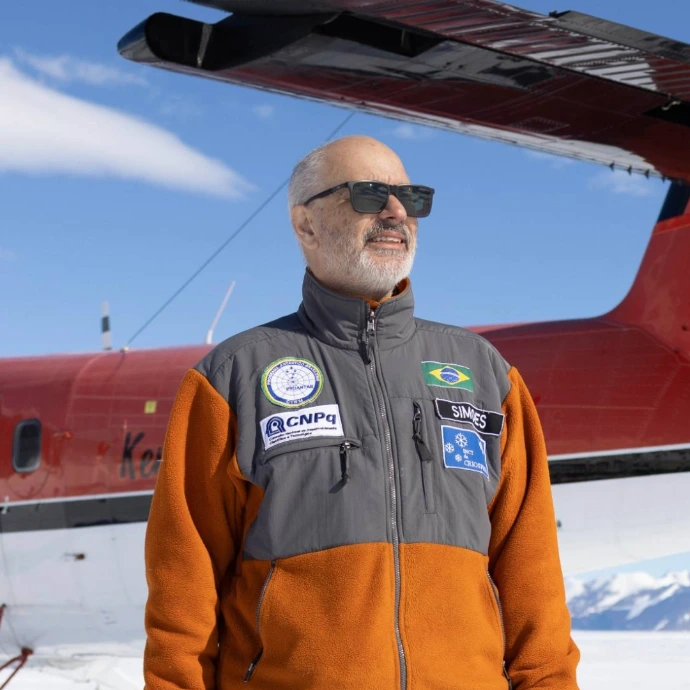
Jefferson Cardia Simões
Federal University of Rio Grande do Sul (UFRGS) - Brazil
Jefferson Cardia Simões is a Professor of Glaciology and Polar Geography at the Federal University of Rio Grande do Sul (Brazil) and Director of its Polar and Climate Center. A member of the Brazilian Academy of Sciences, he previously served as Vice-President of the Scientific Committee on Antarctic Research (2016–2024) and holds a PhD from the University of Cambridge.
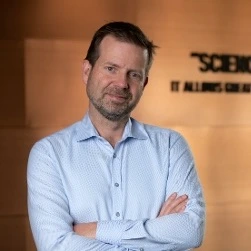
Adam MARTINY
Technical University of Denmark (DTU) - Denmark
Professor Martiny studies how microorganisms respond and adapt to environmental change, with a focus on marine bacteria and their role in global carbon, nitrogen, and phosphorus cycles. His research challenges established ideas such as the “Redfield ratio,” suggesting that ocean ecosystems may absorb more carbon than previously thought.
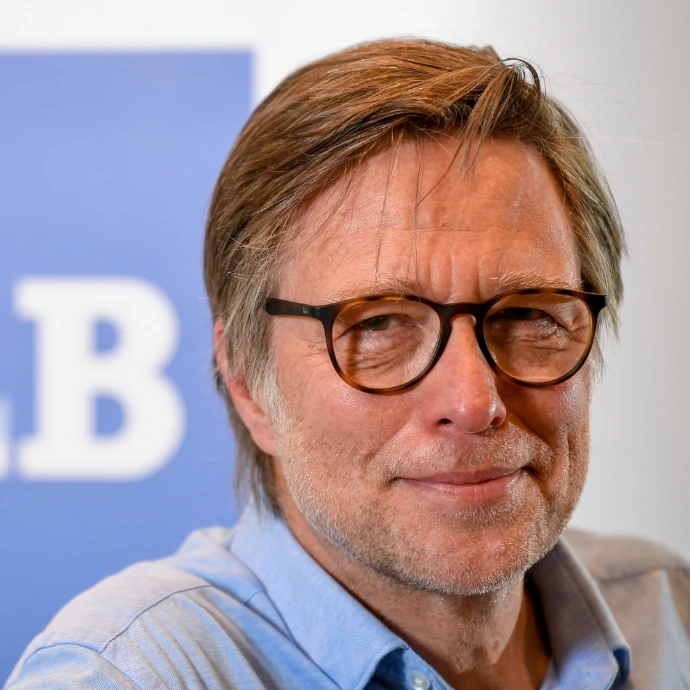
Frank PATTYN
Université libre de Bruxelles (ULB) - Belgium
Frank Pattyn is a glaciologist and full professor at the Université libre de Bruxelles (ULB), specializing in ice-sheet modeling and sea-level rise projections. He has led major international projects contributing to IPCC assessments and is actively involved in Antarctic research and scientific coordination.
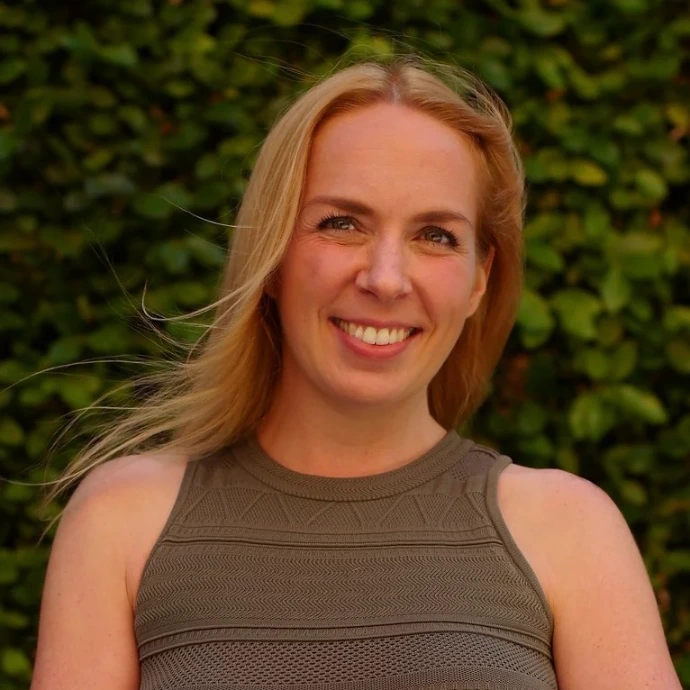
Kate MACKEY
University of California, Irvine - USA
Katherine Mackey, Ph.D., is an Assistant Professor of Earth System Science at the University of California, Irvine. She leads a research group studying marine phytoplankton and their role in global biogeochemical cycles and climate. Her work combines laboratory experiments, field studies, and advanced techniques such as genomics and modeling to understand how marine ecosystems respond to environmental change.
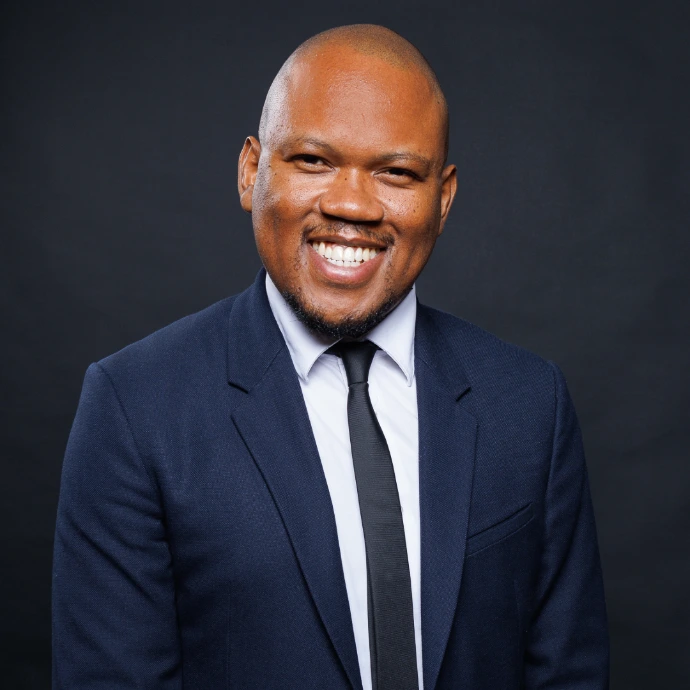
Thulani MAKHALANYANE
Stellenbosch University - South Africa
Thulani Makhalanyane is a Professor in the Department of Microbiology and the School for Data Science and Computational Thinking at Stellenbosch University. He also holds a SARChI Chair in African Microbiome Innovation at Stellenbosch University. He earned his PhD from the University of the Western Cape in 2013, and his research focuses on understanding the ecology and evolution of microbial communities.
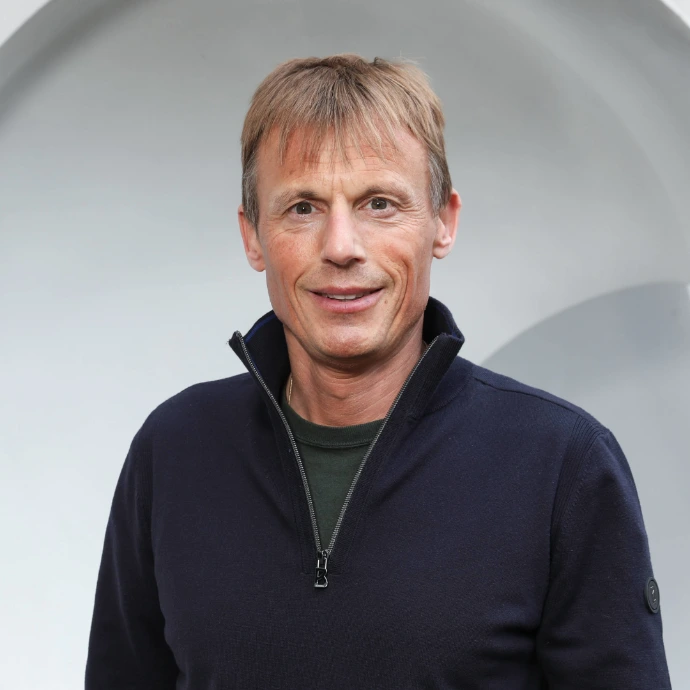
Michael LEHNING
Ecole Polytechnique Fédérale de Lausanne (EPFL) & WSL Davos - Switzerland
Prof. Dr. Michael Lehning is the joint WSL / EPFL professor for Cryospheric Sciences and Snow Processes and heads the CRYOS and the “Snow Processes” groups at Lausanne and SLF Davos. His background is in Environmental Sciences and Atmospheric Physics and he holds degrees from the University of Bayreuth, the University of California and the Swiss Federal Institute of Technology.
Abbas KAHN
Technical University of Denmark (DTU) - Denmark
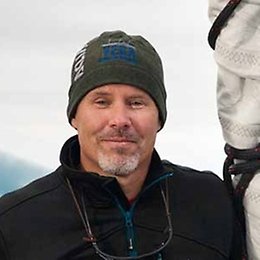
Martin JAKOBSSON
Stockholm University - Sweden
Martin Jakobsson is Professor of Marine Geology and Geophysics at Stockholm University, where he also serves as Deputy Vice President for the Science Academic Area. His research focuses on ocean floor mapping and polar marine environments, contributing to major international initiatives such as Seabed 2030. He has held several leadership roles in academia and scientific organizations and was appointed a Wallenberg Scholar in 2024 for his work on using AI to predict glacier retreat.
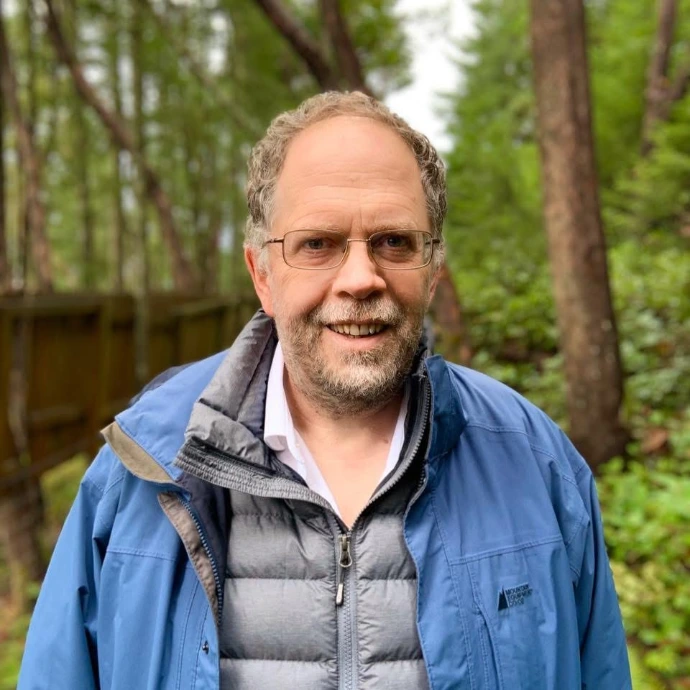
Thomas JAMES
Geological Survey of Canada at Natural Resources - Canada
Dr. Thomas James is a research scientist with the Geological Survey of Canada at Natural Resources Canada and an adjunct professor at the University of Victoria. His work focuses on glacial isostatic adjustment and sea-level change, particularly in Antarctica, where his models support satellite-based analyses. He has been actively involved in international Antarctic research since 2004 and currently chairs the Canadian Committee on Antarctic Research, contributing to the development of Canada’s Antarctic research initiatives.
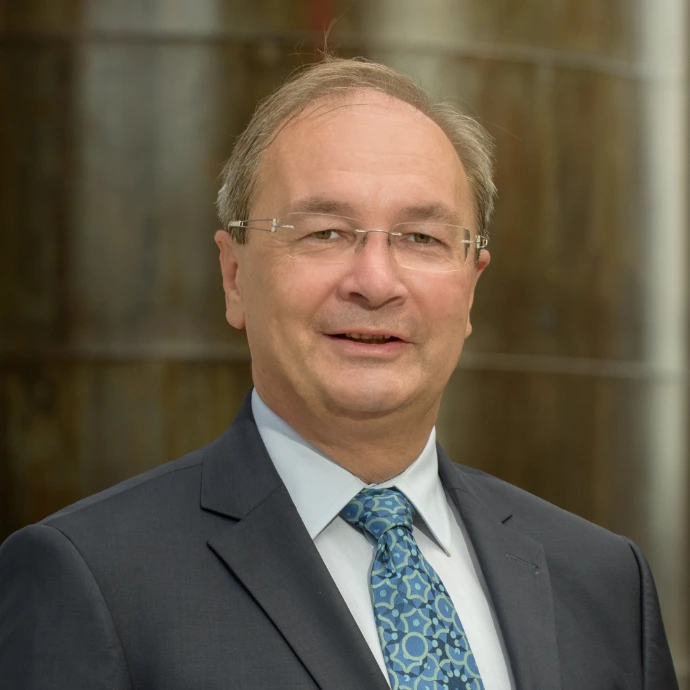
Lucien HOFFMANN
Section of Natural Sciences, Grand Ducal Institute - Luxembourg
After earning his PhD in 1989, he pursued a research career at the University of Liège before joining CRP-Gabriel Lippmann in 2001 as department director. Following the creation of the Luxembourg Institute of Science and Technology (LIST), he became Director of Environmental Research and Innovation and later served as Science Director (2024–2026). Since 2018, he has also been an Affiliated Professor at the University of Luxembourg.
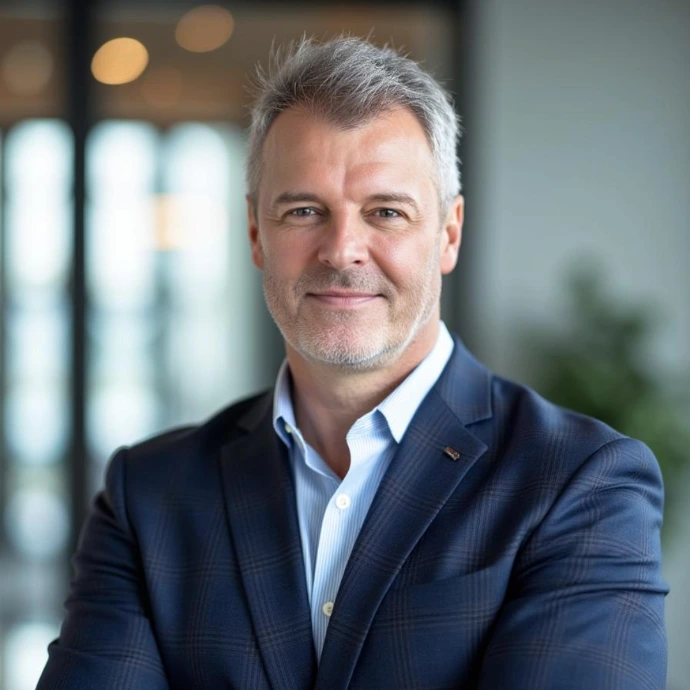
Benjamin HORTON
City University of Hong Kong - People's Republic of China
Benjamin Horton is Dean of the School of Energy and Environment at City University of Hong Kong and a leading coastal scientist specializing in sea-level change. A Fellow of the Geological Society of America and the American Geophysical Union, he has contributed to the IPCC Sixth Assessment Report and supports global coastal policy through his research.
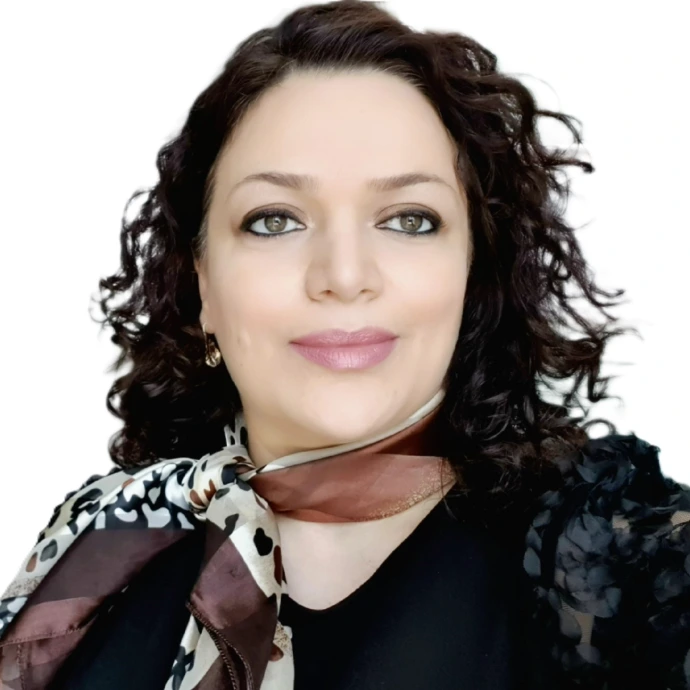
Diana FRANCIS
Khalifa University - United Arab Emirates
Dr. Diana Francis is an atmospheric and climate scientist and Head of the ENGEOS Lab at Khalifa University. Her research focuses on atmospheric dynamics and atmosphere–cryosphere interactions, using satellite data, modeling, and AI to study ice sheet stability and polar climate processes. She has published in leading journals and received the 2025 ITU AI for Good Global Innovation Award for her work on AI-driven climate solutions.
Frederic HERMAN
Université de Lausanne - Switzerland
Frédéric Herman is Rector of the University of Lausanne (UNIL) and a professor specializing in the interactions between climate change and mountain evolution. An internationally recognized scientist, he combines academic leadership with a focus on addressing major societal challenges, including ecological transition and the role of science in society, through research, teaching, and collaboration.
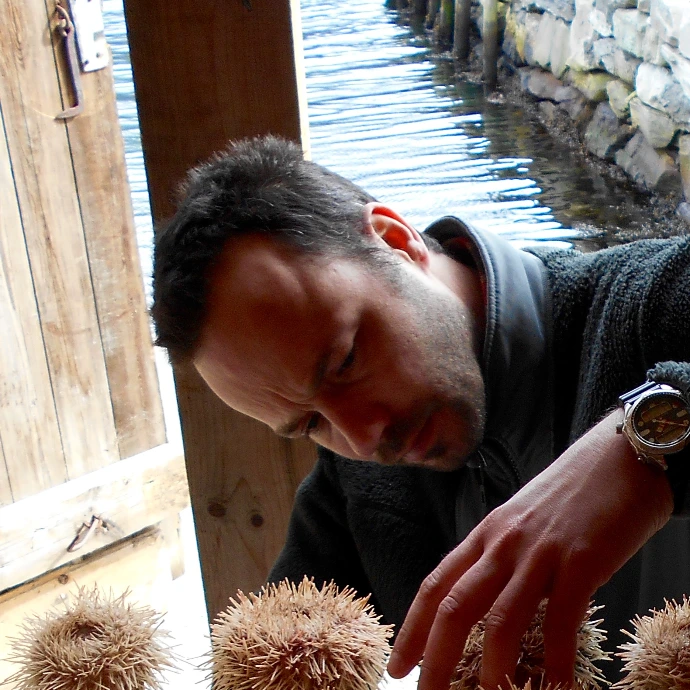
Bruno DANIS
Université libre de Bruxelles (ULB) - Belgium
Bruno Danis is Full Professor and Head of the Marine Biology Lab at the Université Libre de Bruxelles (ULB). His research focuses on biodiversity, biogeography, ecotoxicology, and biodiversity informatics, with a strong emphasis on conservation and open science. He has led major initiatives to provide open access to Antarctic biodiversity data and conducted pioneering expeditions to the Southern Ocean. More recently, he has co-directed a research station in Madagascar, expanding his work on marine ecosystems.
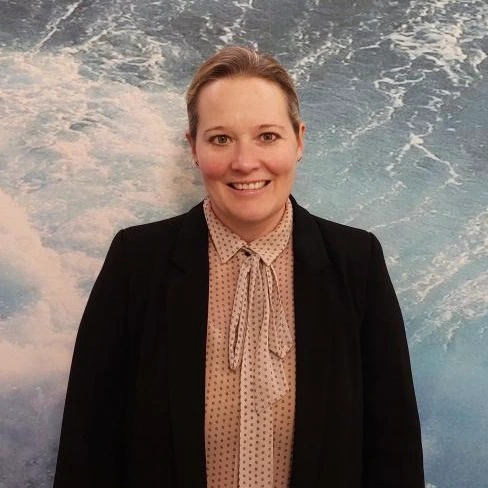
Sarah FAWCETT
University of Cape Town - South Africa
Sarah Fawcett is an oceanographer and Associate Professor at the University of Cape Town, specializing in biogeochemical oceanography and climate science. Her research focuses on nitrogen and carbon cycles, phytoplankton dynamics, and the role of oceans in regulating climate, particularly in the Southern Ocean and Atlantic regions. She has received international recognition, including being named a World Economic Forum Young Scientist in 2020.
Olivier FRANCIS
University of Luxembourg - Luxembourg
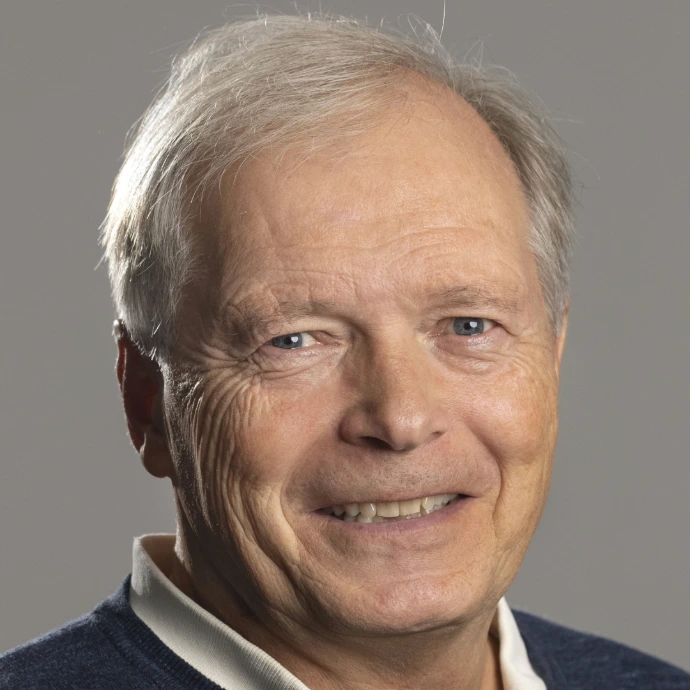
René FORSBERG
Technical University of Denmark (DTU) - Denmark
René Forsberg is a professor at the Technical University of Denmark specializing in geodesy and cryosphere monitoring using satellite and airborne data. He has led numerous polar research campaigns in the Arctic and Antarctica, contributing to mapping and understanding ice mass balance. He currently chairs the Danish National Committee for SCAR and the ESA Advisory Committee for Earth Observation and has received major honors for his contributions to geoscience.